Why Winter in Alberta is Good for Your Health

Reading time: 8 minutes

Alberta’s crisp, bright winter and electric blue skies invite you outdoors to feel more alive, explore freely and discover the clarity you can’t find hunkered indoors.

  • Explore a vast winter playground on ice walks to frozen waterfalls.
  • Quirky festivals offer soft outdoor adventures and cultural insight.
  • Restore body and mind in soothing hot springs and swish Nordic spas.
See related articles

While much of North America hunkers down through grey, slushy months, winter in Alberta arrives crisp, bright and surprisingly inviting. 

The secret? Alberta’s famous big skies don't disappear when temperatures drop. They turn electric blue, framing snow-draped peaks and crystallized lakes that beg to be explored. 

Science backs what locals already know: getting outside in winter does remarkable things for both body and mind. Cold air sharpens focus, sunshine boosts mood, and movement through snowy landscapes delivers the kind of clarity you simply can't find indoors. 

In Alberta, winter isn't a season to survive. It's an open invitation to feel more alive.

Playing outside in winter time can boost your mood in several ways: You get sunshine on your skin, lower your stress, boost your mood and it gives you an excuse to be social.

Why going outside in winter is good for your health

Getting outside in winter isn't just beneficial, it’s essential. Dr. Raj Bhardwaj, clinical assistant professor at the Cumming School of Medicine in Calgary, explains that while we need weekly bouts of moderate to vigorous activity, doing it outdoors during colder months delivers bonus benefits.

"Exposure to natural light helps regulate circadian rhythm, increases alertness, and lowers stress," he notes. "Time in nature is rejuvenating for people.”

The energy advantage of cold weather movement

Moving in cooler temperatures forces your body to work harder, burning more energy than the same activity indoors. But the real magic? How it makes you feel. "If you're enjoying it, you're seizing the day, which is great for your overall mood," says Dr. Bhardwaj.

How to break the hibernation habit in winter

Low winter moods often stem from decreased daylight and increased isolation. "We tend to decrease activity, stay indoors more, and aren't as social," Dr. Bhardwaj explains. "If you hibernate during winter, all those things stack on top of each other." 

The solution isn't overhauling your entire routine—it's simply adding outdoor options that complement what you're already doing. "We're lucky to live in Alberta, where we have the opportunity to go out and enjoy winter," he adds. "Variability in our lives is important.”

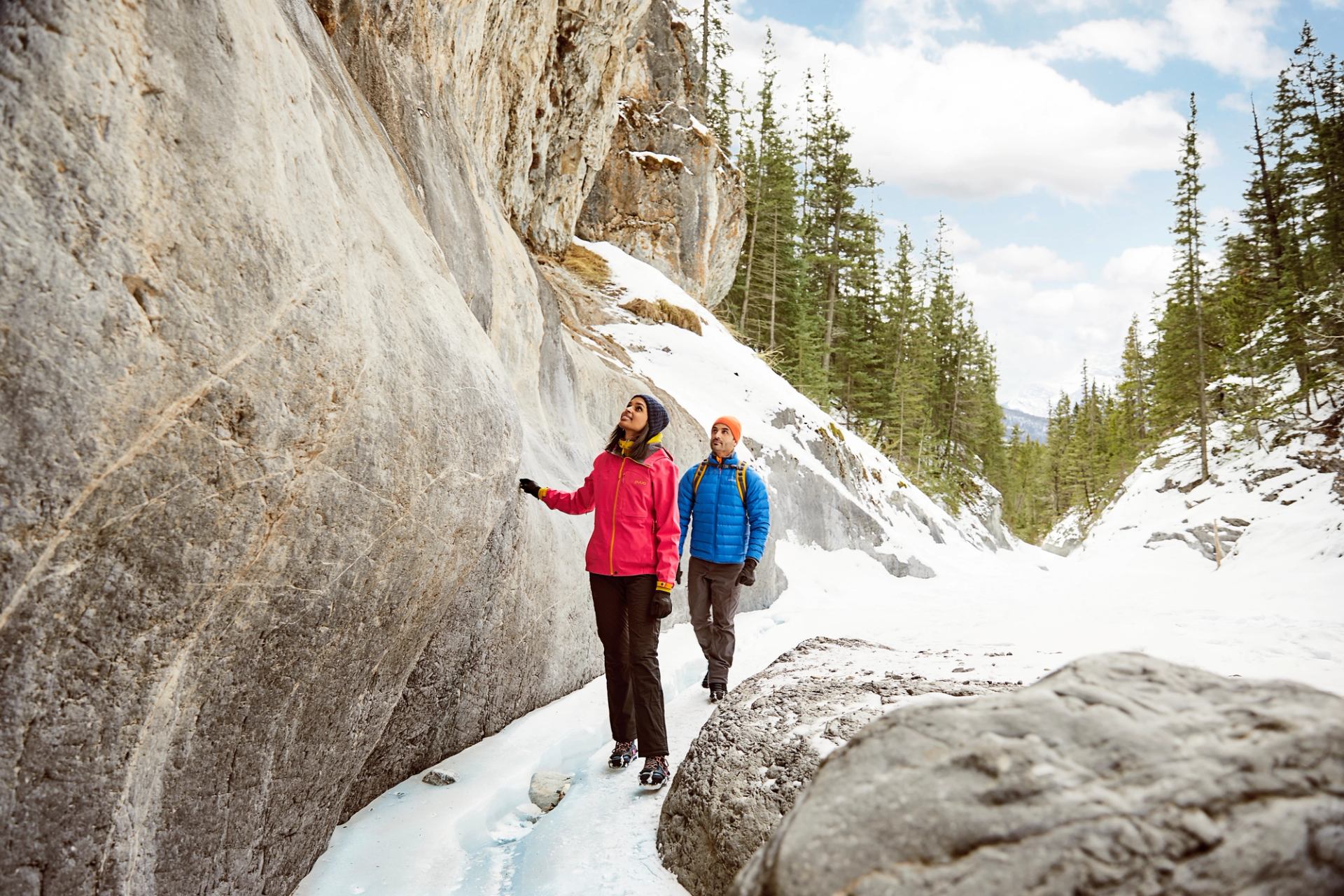
Strap a pair of ice cleats over your winter boots to make walks over icy terrain a cinch.

7 things to do outside in winter in Alberta

Each winter, Alberta transforms into an outdoor playground where accessible adventures meet genuine wonder. You don't need to be an expert to jump in, just curious. Here are just seven ideas to get you started if you’re looking for ways to spend more time outside this winter.

1. Journey through a frozen canyon

Grotto Canyon offers an easy ice walk along a frozen creek bed between towering limestone walls. Hikers come face to face with ancient Indigenous pictographs on the rock face and waterfalls turned into curtains of blue ice. The relatively flat terrain makes it perfect for first-time winter hikers, and several local outfitters offer guided tours complete with ice cleats and hot drinks.

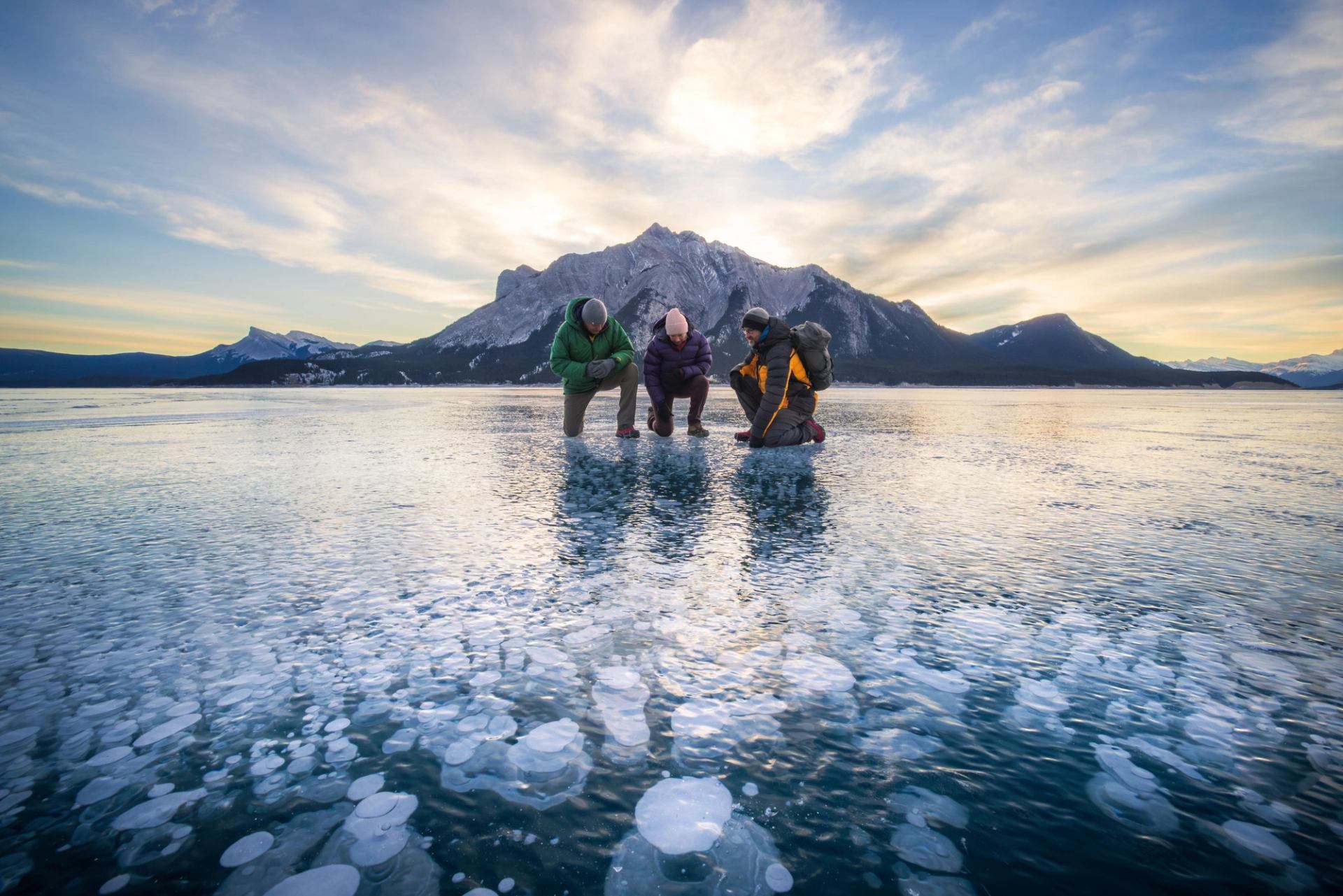
When Abraham Lake freezes, mystical-seeming ice bubbles are trapped below the surface. It's well worth booking the guided tour to see them in person.

2. Chase bubbles trapped under ice

Abraham Lake's frozen methane bubbles have become one of Alberta's most photographed winter phenomena. These ethereal white discs, suspended beneath layers of crystal-clear ice, create an otherworldly landscape. Guided experiences with companies like Canadian Rockies Escapes not only take adventurers to the best viewing spots, but also explain the fascinating science behind these naturally occurring formations while keeping everyone safe on the ice.

3. Glide over Olympic cross-country trails

Built for the 1988 Winter Olympics, Canmore Nordic Centre maintains over 65 km (37 miles) of groomed cross-country ski trails that wind through snow-quilted forest and open meadows. Rentals and lessons are available on-site, making it effortless for beginners to try Nordic skiing against the picture perfect Rockies.

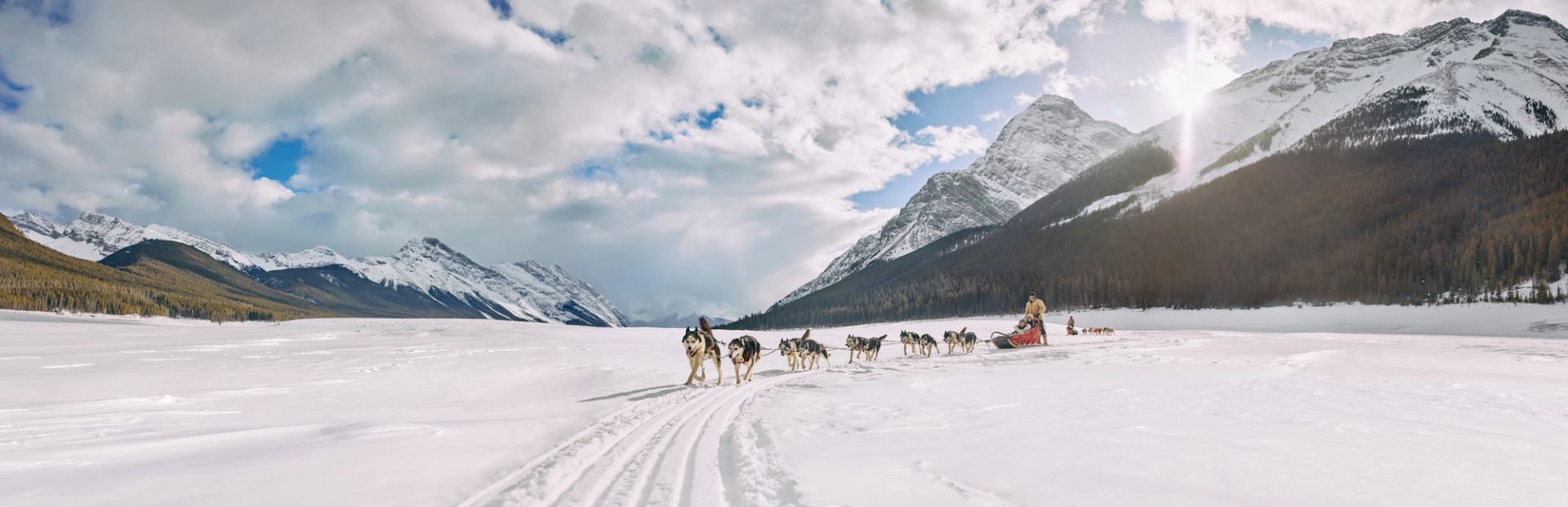
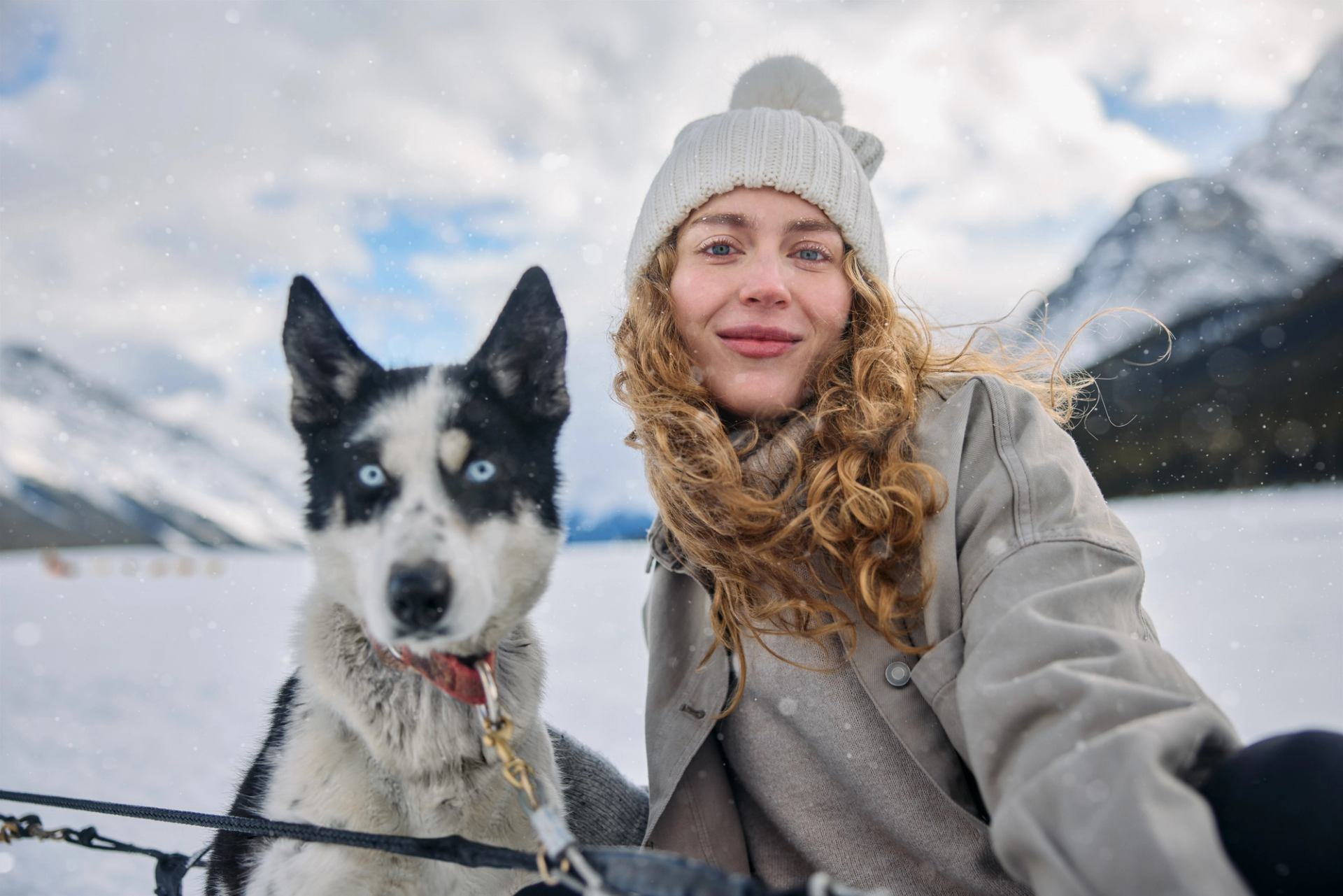
Technically, the dogs are the ones doing the physical activity, but you still get the benefit of fresh air and sunlight when you go dog sledding.

4. Mush through Alberta’s snowy wilderness

Dog sledding delivers pure exhilaration. Whether you're riding as a passenger or learning to mush your own team, the experience of gliding through silent forests behind eager huskies connects you to centuries of northern tradition. Several operators around Alberta offer everything from short introductory rides to multi-hour adventures.

5. Segway through Edmonton’s winter wonderland

Frosty exploration that doesn't require skis or snowshoes is found in Edmonton with River Valley Adventure Co. Their 60-minute Beginner Winter Segway Trek rolls through North America's largest urban parkland, offering a playful way to cover ground while staying warm through movement.

Whether you're skating across wild ice like Lake Louise or on an outdoor rink in a city, this is a joyful outdoor workout that will have your cheeks rosy in no time.

6. Skate on legendary ice in cities or the Rockies

Ice skating in Alberta ranges from iconic to intimate. Glide across the frozen surface of Lake Louise beside a handmade ice castle that appears each winter. Edmonton's purpose-built ice trails, such as Victoria Park IceWay, wind through the river valley and are kitted out with warming pavilions. Calgary's Bowness Park offers old-fashioned skating (with rentals) on a lagoon surrounded by fairy lights.

7. Embrace quirky Alberta winter traditions at festivals

Alberta's winter festivals offer delightfully offbeat, eclectic experiences. Watch skijoring at Banff and Lake Louise's annual SnowDays Festival, taking place mid-January to early February. During the festivities, horses gallop through snow, pulling skiers who navigate jumps at full speed.

Chocolate lovers, meanwhile, can sample creative concoctions at cafes across Calgary during February’s YYC Hot Chocolate Fest. Take the hot chocolate to the streets and enjoy the benefits of a winter walk while you sip.

At Edmonton's Silver Skate Festival each February, join the mesmerizing evening procession of glowing lanterns toward illuminated fire sculptures. Or experience Flying Canoë Volant, which celebrates everything magical about long winter nights through Indigenous and French Canadian traditions at the end of January.

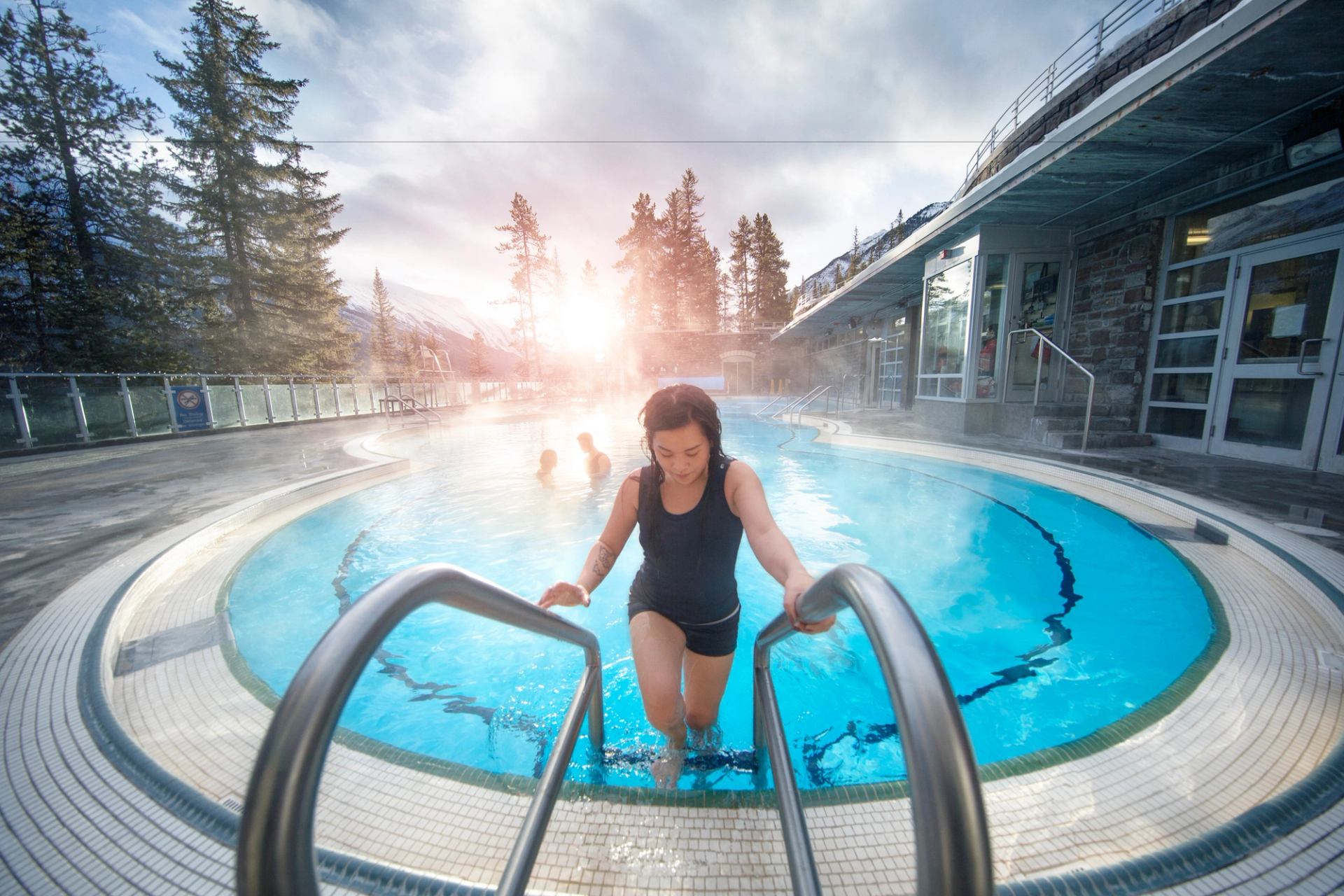
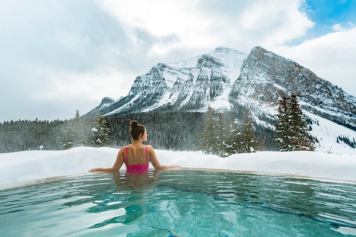
Hydrotherapy after outdoor adventures helps muscles recover and boosts circulation so you feel refreshed and ready for more winter fun.

Alberta’s hot springs and thermal spas 

Once you've embraced Alberta’s winter charms and boosted your mood by getting outside, it’s time to reward yourself with therapeutic warmth. Wondering what hot springs are there in Alberta? There are two natural hot springs here. However, Miette Hot Springs in Jasper National Park is closed in winter because the twisty mountain road is difficult for snowplows to maintain. Banff Upper Hot Springs will reopen in early 2026 after some renovations and upgrades.

After exhilarating days on the slopes or trails, nothing beats sinking into mineral-rich waters or exploring the province's exceptional thermal spas that deliver the same soul-warming restoration.

Why hydrotherapy works wonders in winter

Hydrotherapy circuits, alternating between hot and cold water, offer profound benefits, from improved circulation to reduced inflammation. In winter, that hot-cold contrast feels especially transcendent. Your skin tingles, your senses sharpen, and you feel remarkably, electrically alive.

Whether you're seeking a Nordic spa in Alberta or traditional spas Alberta-style, the province offers a variety of ways to tap into deep winter rejuvenation.

Basin Glacial Waters redefines mountain wellness

The brand new Basin Glacial Waters at Fairmont Chateau Lake Louise reimagines the historic 1920s bathhouse that once stood on this exact spot. Reverence for nature is at the core of this contemporary wellness sanctuary that offers direct views of famed Lake Louise and Victoria Glacier from its outdoor infinity pool.

While there's no prescribed path through the spa, five curated “trails" offer journeys based on each person’s desired outcomes. Throughout the day, sauna masters lead Aufguss rituals in a cavernous spruce sauna, using steam, aromatherapy and essential oil-infused snowballs on hot rocks to create sensory ceremonies. 

Wellness gets wild at Canmore’s new spa

Just outside the gates of Banff National Park, Everwild Canmore seamlessly blends indoor-outdoor thermal bathing with the rugged mountain landscape just steps away. Wellness guides craft personalized journeys through steam, sauna, and cold plunge experiences, while intention-setting rituals help guests connect deeply to themselves and the stunning surroundings.

Wilderness immersion meets Indigenous-influenced spa

Indigenous-led wellness journeys are found at The Woods Experience. Overnight in a tipi or cabin before experiencing spa offerings that include wood-fired hot tubs, cold plunges and barrel saunas in the boreal forest.
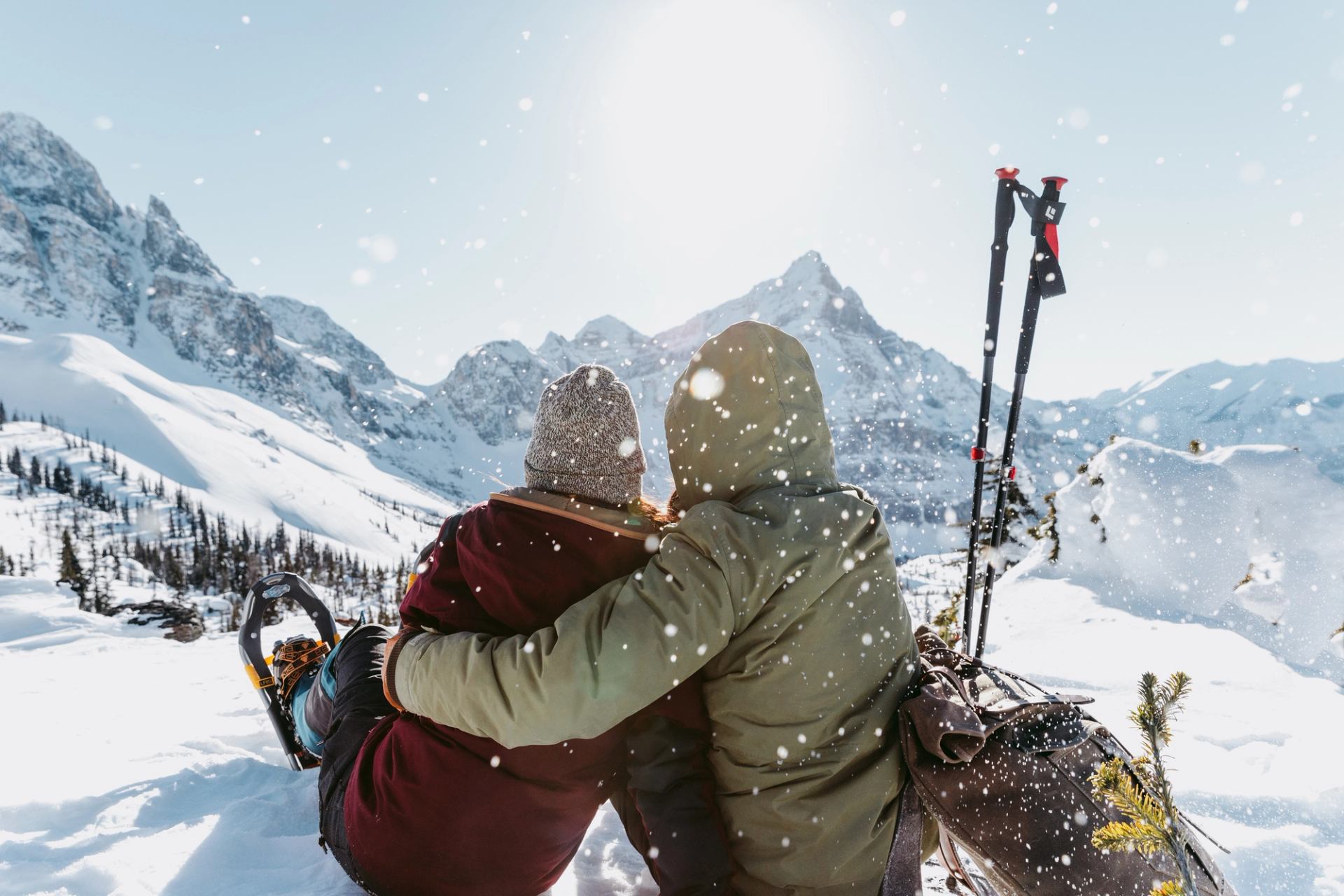
Make sure you're checking the weather, wearing layers so you can adjust as your body warms up and keeping your extremities toasty.

Tips for staying warmer while embracing winter 

"Generally speaking, cold weather isn't dangerous, but being unprepared is," says Dr. Bhardwaj. Follow these guidelines to enjoy winter wellness safely.

  • Layer smartly: Don’t be afraid to feel cool for the first five to 10 minutes outdoors; your body will warm up. If it doesn’t, reassess. Overheating and sweating can create more problems than starting slightly chilly.
  • Prevent falls: Use walking poles and traction aids for stability on ice. Warm up indoors first to get blood flowing and reduce injury risk.
  • Stay hydrated: Even when you don't feel thirsty, bring water on outdoor activities. A warm thermos waiting in your vehicle makes a perfect reward.
  • Know your limits: Cold constricts blood vessels, increasing workload on your heart. Those with heart disease, high blood pressure or who are pregnant should consult medical professionals before attempting new winter experiences including temperature contrasts.

How cold is it in Alberta in winter?

Alberta basks in more than 300 days of sunshine annually, and those brilliant blue sky days flow straight through winter. Winter temperatures in Alberta typically range from -5 °C (41 °F) to -15 °C (5 °F) in cities, though they can dip during cold snaps or warm up during Chinooks.

Major cities Calgary and Edmonton typically see 15 to 30 cm (six to 12 inches) of snow on the ground. Alberta's Rockies receive considerably more snow, creating perfect conditions for outdoor adventures.

There so many ways to get outside to get the benefits of winter activity in Alberta. A winter walk, a gentle snowshoe, cross-country skiing, dog sledding and plenty more.

What is a Chinook? Warm winds that drastically warm up a winter day in Southern Alberta

The real game changer? Chinook winds. These warm air currents waft in from the Rockies and can raise temperatures from Banff National Park to Calgary and all the way to the Crowsnest Pass, Waterton Lakes National Park, Lethbridge and Medicine Hat by 20°C (68°F) in hours.

It’s not uncommon for a -20°C (-4°F) day to morph into a pleasant afternoon above freezing. Southern Alberta’s warm Chinook winds are winter's unexpected gift, arriving every few weeks to provide a natural thaw.

What is a “dry cold” in Alberta?

Alberta's low humidity means freezing temperatures here feel much more tolerable than the damp, penetrating cold of coastal regions.

To stay warm in Alberta’s “dry cold,” layer properly with moisture-wicking base layers and insulated outerwear, and you'll find yourself comfortably exploring frozen waterfalls, skating on glassy lake ice, and romping through pillows of powdery snow on snowshoes.

And be sure to pack lip balm and moisturizer. While Alberta’s winter cold is tops for comfort, nobody wants chapped, dry skin at the end of an adventure.